All Categories
Featured
Table of Contents
The Internet of Things links physical gadgets to digital platforms, and it keeps expanding into markets that once ran completely offline. Sensors, clever meters, and linked devices now feed continuous real-time information into organization systems. This gives operations teams a clearer, quicker view of what is occurring on the ground.
When your makers and centers report their own status constantly, you make decisions based on truths rather of guesswork. As IoT networks grow, sending out every piece of data to a main server before acting on it develops undesirable delays. Edge computing fixes this by processing information at or near the point where it is created.
In 2026, it is an essential layer in any major real-time operation. Not every company has a large designer group. Need for software, however, keeps growing. Low-code and no-code platforms bridge this gap by letting non-technical groups develop functional applications utilizing visual tools and pre-built parts. How low-code modifications the pace of work: Business analysts develop custom-made apps in days, not monthsDevelopment teams model much faster and invest deep engineering effort where it countsOrganizations lower reliance on single designers for every single changeNew tools reach workers and customers far soonerLow-code does not change specialist software development.
Shortening Innovation Workflows in Modern Enterprises
In 2026, the most resistant organizations treat it as an irreversible operating mode. Individuals want quick service, smooth digital experiences, and actions that feel individual. Fulfilling those expectations needs systems that evolve continuously, not infrastructure that sits unchanged till it breaks.
Every business generates information. In 2026, the distinction in between high-performing companies and average ones typically comes down to how well they utilize it.
Purchasing tidy data infrastructure and clear dashboards pays dividends across every service function. For years, off-the-shelf software was the default option. It was quick to buy, basic to begin, and easy to validate. As organizations scale, generic platforms progressively stop fitting the way real work happens. In 2026, enterprises are going back to custom-made software application, and with good reason.
Key Digital Transformation Guides for Future Success
off-the-shelf: a direct comparisonFactorOff-the-Shelf SoftwareCustom SoftwareInitial CostLower upfrontHigher in advance investmentLong-Term CostRecurring licenses plus workaroundsLower over time, no license dependencyFit to Your ProcessRequires adapting your workflowsBuilt precisely around your workflowsScalabilityLimited by vendor's roadmapScales exactly with your needsIntegrationOften restricted or expensive to extendDesigned to link with your systemsData ControlShared or vendor-managed environmentsFull ownership and controlStrategic ValueGeneric, replicated by competitorsUnique, ends up being a company assetCustom software is built to match how your service really operates.
Navigating the Intricacies of International Development Center Management
For leaders preparing 3 to five years ahead, tailored software application is a tactical investment that delivers compounding returns. It is not an expenditure. It is a possession. These 10 trends share a clear through-line. Each one is about developing an organization that operates smarter, remains secured, and grows without striking unnecessary limits.
They will identify which innovations align with their most crucial objectives, move with function, and work with partners who understand both the innovation and business challenge behind it. That alignment is what turns trends into real, measurable benefit. At, we deal with service leaders to develop protected, scalable, and practical digital solutions customized to real organizational requirements.
The future comes from those who prepare for it. Let us build yours together. In 2026, the takeaway for magnate is unmistakable: innovation is no longer a support function, it is business. The merging of AI automation, advanced analytics, and custom software application isn't practically keeping up; it has to do with widening the gap between market leaders and everybody else.
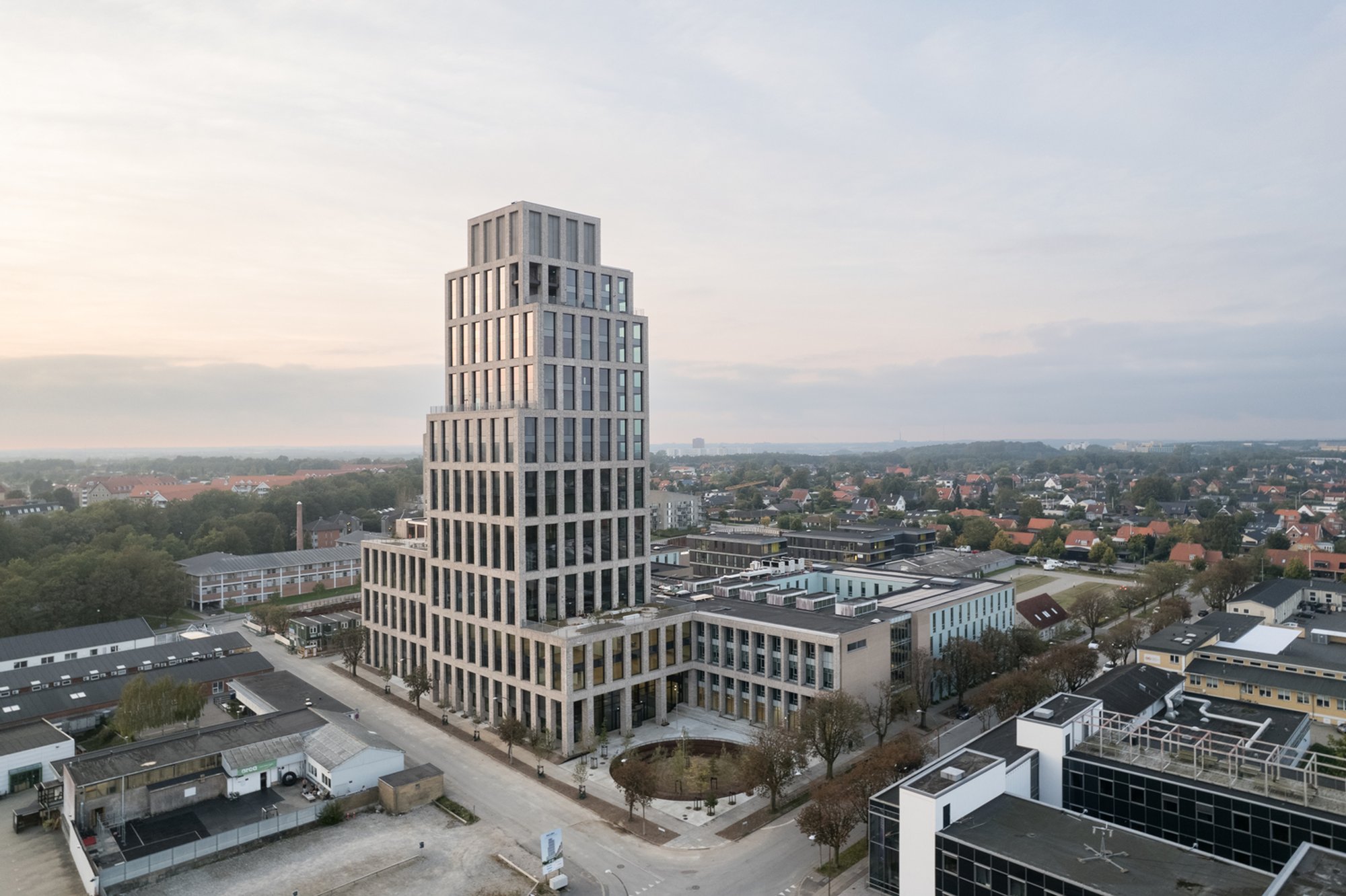
The future belongs to companies that treat digital improvement not as a single milestone, however as a continuous discipline. Does my business need to embrace all 10 patterns simultaneously to remain competitive?
Shortening Innovation Workflows in Modern Enterprises
Focus initially on fundamental trends that directly affect your instant bottleneckssuch as AI automation for lowering overhead or cloud computing for scalabilityand expand from there. While off-the-shelf software has lower upfront expenses, it typically requires you to alter your organization processes to fit the supplier's design.

Latest Posts
Key Technical Insights to Modernizing Enterprise R&D
Integrating Smart Infrastructure to Drive Strategic Innovation
Deploying Intelligent Infrastructure for Corporate R&D